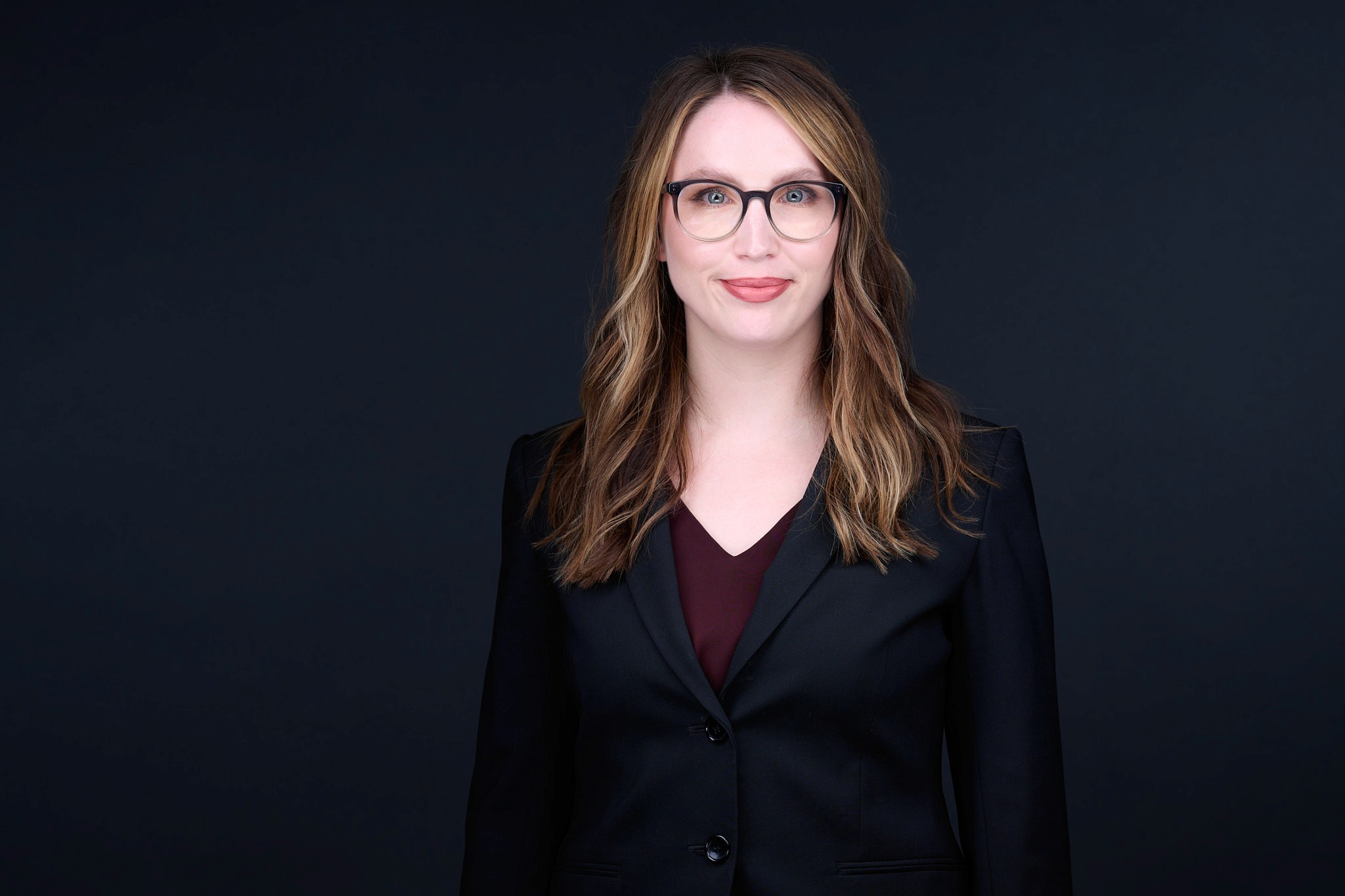

Rising enforcement, compressed timelines, and shifting policies are reshaping daily life for immigration lawyers. Massachusetts attorney Jennifer Bade explains why detained work has become a litmus test for the profession, how clients can avoid the worst pitfalls, and where tech helps or hurts.
The colorful wall panels behind Jennifer Bade are not an aesthetic flex. They are sound dampeners in a home office that has become a command center for triage. On any given morning, the phone rings with a familiar script. A friend was detained. A coworker did not come home. A routine green card case spiraled after a missed response. Bade listens, asks precise questions, then starts moving.
“I always imagined myself working with this community,” she says. Born and raised in Germany, she immigrated to the United States in 2008 and saw her first case up close when her mother pursued a green card. “It was tough and it was scary. You do not know what you are doing the first time through.”
That early exposure set a course. Law school internships confirmed it. Today, Bade’s firm covers the full umbrella of immigration, but most work tilts toward family based and removal defense. The shift she feels most this year is unmistakable. “We have seen a big uptick in detained work,” she says. “What used to be one or two cases here and there is now many more. And detained work is tough.”
Tough means compressed timelines. For a non detained asylum case, a firm might have years to build a record and refine strategy. For detained clients, Bade often has two to four months from intake to final hearing. “We are talking 500 to 2,000 pages of evidence assembled very fast,” she notes. That scramble cascades outward. Families lose a breadwinner and suddenly need help with childcare, school, rent. Fear spreads in neighborhoods after enforcement actions. “It is a trickle down effect,” she says. “We are seeing it in blue states like Massachusetts, and across the country.”
Not every detention follows a conviction. Accusation alone can trigger custody and proceedings, which heightens the stakes for early guidance. Another accelerating pattern, Bade says, begins with self filing. A couple files a marriage based case without counsel, misses a request for evidence, or arrives at an interview unaware of a discrepancy. “Then they get a denial or a notice to appear and ask, what is happening,” she says. “It is heartbreaking because much of it could have been avoided with the right advice.”
If the practice feels like Russian roulette some days, it is because policy and discretion move faster than public understanding. “Changes are happening almost daily,” Bade says. “New memos, rules, and cases shift how officers and judges make decisions.” She points to recent guidance that expands discretionary denials in ways that hinge on vague standards. “Even for practitioners, you prepare for everything, but sometimes things come up and it gets scary.”
For the public, the terrain is even harsher. Instructions that once fit in fifteen pages now sprawl to thirty, yet still leave key questions unanswered. “It is repetitive, hard to navigate, and written in legalese,” she says. Clients turn to social media and rumor. “I have people say they saw something on Reddit. They cannot find it on USCIS, so they Google it or ask a chatbot. The quality of information is uneven at best.”
Bade welcomed the WebEx pivot that made preliminary hearings more efficient. “I can be productive while waiting, rather than sitting in court for hours,” she says. But she is blunt about government systems that lag behind modern expectations. “Online filing expanded during the pandemic, then stalled. The Department of Labor portal is outdated. The CEAC site for consular processing is outdated. We all use these daily, and they have not kept pace.”
Inside her own practice, she uses AI carefully. “We never put client data into public tools,” she says. ChatGPT is a brainstorming partner for operations and template structure, not a drafter for sensitive motions. “There is resistance among lawyers, and confidentiality is the core concern. Used the right way, it can help. If you are not using AI at all, you are already behind. But you have to respect the guardrails.”
Bade does not sugarcoat the economics. “You get what you pay for,” she says. The firm offers financing where possible, but it will not compete in a race to the bottom. The bigger danger she flags is unlicensed help. “Notarios are everywhere. They present as experts, fill out forms, and then we see cases that are almost impossible to fix.” Her advice is blunt: do not let anyone who is not a licensed attorney give you legal guidance or file your case.
If she could plant one idea in every client’s mind, it would be the myth of sameness. “People say, my brother did this exact case, just copy his file,” she says. “You are not the same person. Your facts, records, and life choices are different. Even straightforward cases can sprout surprises. Officers see something they do not like and issue a request for evidence. Your neighbor did not get one, but you might.”
Bade is cautious about predictions. She has seen relatives postpone trips to the United States out of fear, and she worries about the erosion of due process. She points to reports of judges leaving the bench and to temporary appointments that bring military lawyers with little immigration background into decision making roles. “What happens when you have to educate a judge in court,” she asks. “What happens to pro se respondents standing alone in that room.”
So she keeps her gaze short term and action oriented. The next client. The next hearing. The next stack of pages. “If we do not do it, who will,” she says. “People come here hoping for a better life. Our job is to advocate, to educate, and to give them clarity so they can make informed decisions.”




Bob Webber
SEP 16, 2025
Charles Kuck
SEP 15, 2025

Christa Byker
SEP 11, 2025