29th January 2026
Date
Interviewee
Danielle Goldman
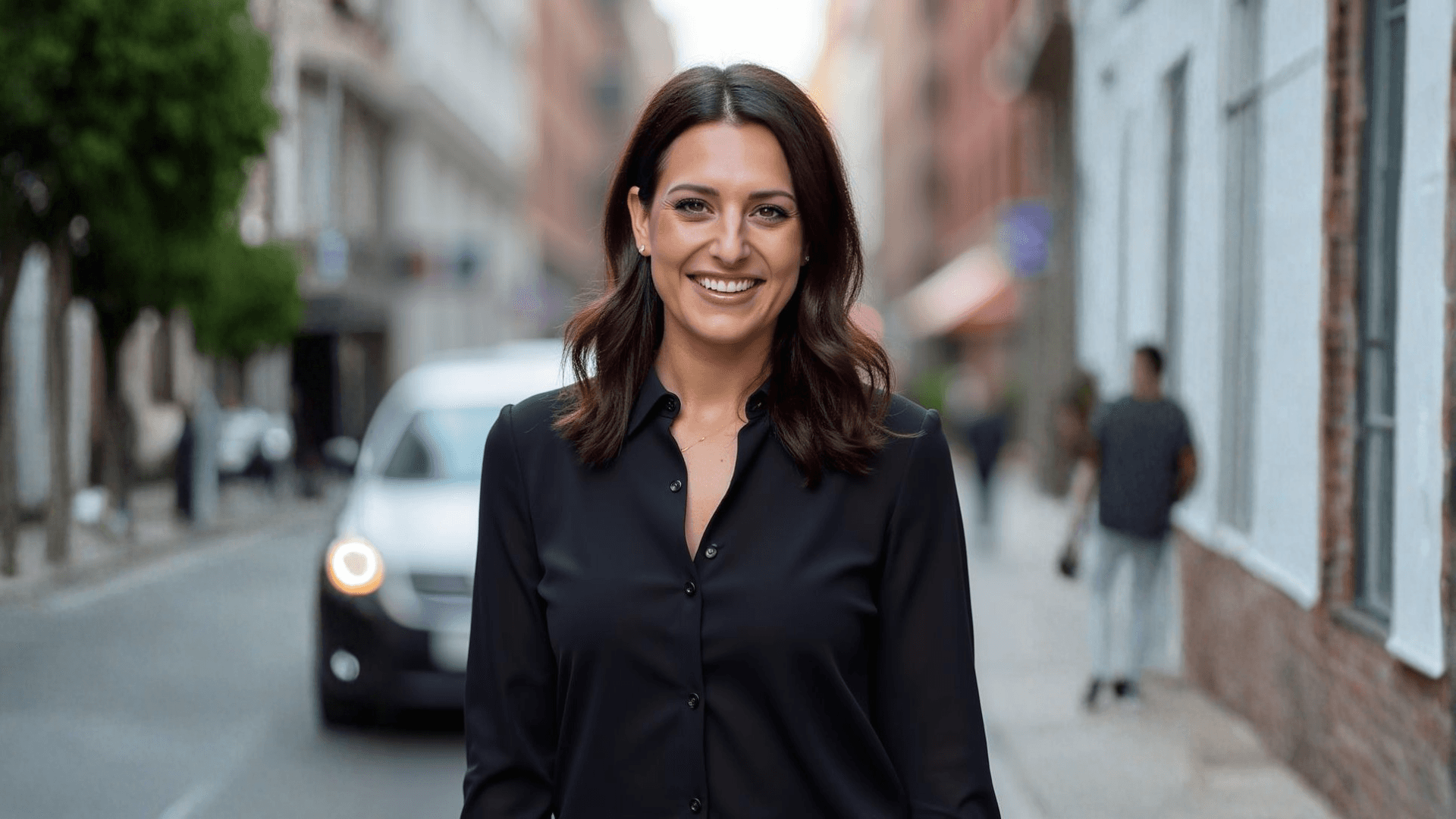
The Fellowship That Rewrote the H1B Playbook: Danielle Goldman on Community, Cap Exempt Strategy, and the Human Core of Immigration
When an MIT spinout needed a brilliant German engineer to stay in the U.S. during the peak of COVID to manufacture testing swabs with their new 3D printing technology, Danielle Goldman had the solution. She found herself driving him across Massachusetts so he could teach students for five hours a week in a small classroom session that unlocked concurrent, cap exempt H-1B employment and kept lifesaving production on track.
From that scrappy origin story grew The Build Fellowship, a model that affiliates non-profits with universities, sponsors part time fellowships, trains American students, and enables foreign nationals to work concurrently full-time for any U.S. company. In this conversation, Danielle traces the roots of her work, shares a clear view of how AI and business pressures are reshaping immigration services, and offers a founder’s blueprint for building with courage and community.
The Moment Everything Snapped Into Focus
Danielle and her three person team in Boston had spent a year building their program model: a fellowship that offered a work visa for top foreign talent in exchange for training American students at partner U.S. colleges and universities for jobs. They had slowly piloted, tested, and proven the sponsorship worked. They could help companies keep their foreign talent working in the U.S. without the H-1B lottery - and they could help Americans prepare for jobs. A true win-win.
The Covid-19 hit.. A young MIT Media Lab venture had been tapped to 3D print testing swabs for Boston hospitals. The engineering brain behind the system had missed the H-1B lottery. The work could not wait.
Danielle Goldman remembers the early fix as both mission driven and manual. She secured a cap exempt H-1B fellowship through Open Avenues, then began personally driving the engineer to Worcester State University so he could train students five hours a week, the essential ingredient that anchors the model. The rest of his time, he was free to build.
“It was early, it was messy, and it worked,” she says. “That is the kind of human we wanted to help stay here.”
Today hundreds of teaching projects run online each year, fellows sit across 30 states, and the model scales without cross state road trips. The core insight remains the same. A tightly designed part time, cap exempt role can unlock concurrent employment at any U.S. company, from Fortune 1000 companies to a seed stage startup.
Roots Before the Roadmap
Goldman did not stumble into immigration. She grew up with it at the dinner table. Her father, attorney Jeff Goldman, brought stories home and sometimes clients too. She wrote DREAM Act speeches in high school, helped applicants with citizenship forms in college, and became a godmother to a Haitian immigrant at age 10.
After 2016 - when migrant families began to be separated at the U.S. southern border - she left health strategy consulting to act. She and her family launched Open Avenues Foundation first as a rapid response effort, raising roughly $300,000in three months to support separated families with fees, housing, and mental health care. When the funds were deployed, she and her father turned to a different bottleneck that was hurting founders and companies alike.
Jeff Goldman had already helped design the Global Entrepreneur in Residence program, a university anchored path that leverages cap exempt H1B rules. The insight was powerful, yet it did not scale easily because universities did not want to run immigration at volume. Danielle put on a builder’s hat. What if a nonprofit could affiliate with colleges and handle sponsorship centrally, while still delivering value to students through structured projects and mentorship?
That question became the non-profit Open Avenues Foundation. Today Open Avenues Foundation is one of multiple non-profits running Build Fellowship programs.
How the Cap Exempt Fellowship Works
Anchor: a nonprofit that is cap exempt and affiliated with universities
Commitment: fellows contribute five hours a week to structured student training or projects within their field of expertise
Result: the nonprofit sponsors a cap exempt H1B
Unlock: with cap exempt status in place, fellows can concurrently work for any U.S. company
Goldman calls concurrent employment the heart of the model. It gives companies a lawful, timely way to keep talent that missed the H1B lottery, and it lets talented people continue building where they are needed most.
The State of Immigration Work: Tech, Psychology, and a Coming Shakeup
Goldman sees two waves reshaping the field.
First, technology and autonomy for applicants.
Foreign nationals are often first movers with AI tools. They research, draft, and organize relentlessly. “There is so much more information and autonomy now,” she notes. That reality raises the bar on clarity, speed, and transparency from legal providers.
Second, the psychology of adoption inside law firms.
Many attorneys have built expertise the hard way, case by case. Letting AI move from assistive to authoring can feel like ceding the expert seat. That reluctance slows adoption more than tooling does.
Where it lands in the business model.
The immediate pressure hits hourly billing. Clients know drafting should be faster, so flat fees gain ground. Overhead becomes a strategic risk, and nimble practices that mix high trust service with lean operations are poised to win.
A market structure shift.
Fragmentation is up. Goldman cites discussions at AILA and notes a trend toward small practices of one or two lawyers. She predicts a reintegration cycle over the next five years as AI becomes table stakes and roll ups offer shared operations, technology, and brand.
“The winners are the small firms that adopt quickly, run unbelievably efficient practices, and still invest their time in trust and relationships.”
What Corporate Mobility Teams Want Right Now
Goldman sees caution, not whiplash. Most companies are observing, holding to trusted partners, and raising expectations on service. Faster responses, cleaner status visibility, better communication, and consistent timelines are the new baseline. Few are ready to swap people for pure software in a domain that touches lives and careers so directly.
A Builder’s Playbook for Systemic Change
Goldman’s advice to innovators is deceptively simple.
Think in today’s moves, not in distant fears. Over planning around risk can freeze action.
Build genuine relationships. Respect from peers is the currency that sustains you in complex systems.
Do not build alone. Community is the antidote to fear and burnout, especially in restrictive contentious fields.
“The founder’s job is to put anxiety aside and keep paving. You move through with people who share your values.”
Values That Scale
Impressive tooling will not save a company that loses the human plot. Immigration is a service at its core. The stakes are personal, the moments are emotional, and trust travels by word of mouth. Goldman believes the durable players will be the ones led by people who are, in her words, genuinely trying to make a difference.
“The only successful companies in this space will be the ones led by genuine people who want to serve. Technology matters, and the service comes first.”
Key Takeaways for Attorneys and Mobility Leaders
Use cap exempt strategy as a retention lever. A five hour, education anchored fellowship can unlock concurrent work at any U.S. company.
Shift pricing before clients force it. Where AI shortens drafting time, move to thoughtful flat fees and show value in strategy and care.
Invest in communication UX. Visibility, speed, and clarity are now part of service quality.
Run lean, stay human. Pair efficient back office operations with high trust front line counsel.
Expect consolidation. Fragmentation will meet AI, then roll ups will gather firms that want shared scale.
Connect with Danielle Goldman