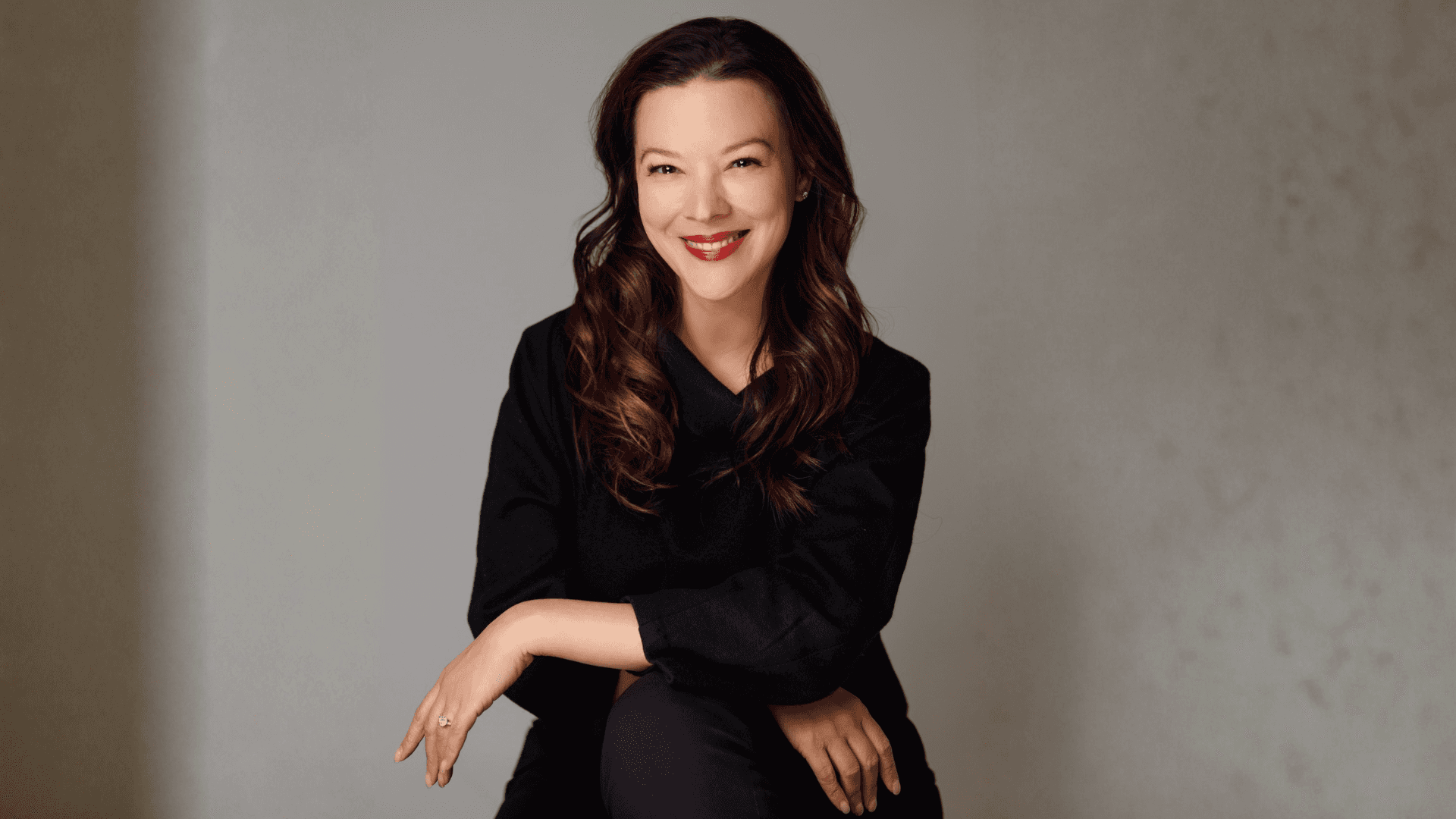

From Behind the Window to Beside the Applicant: Lissa Anderson's Mission to Humanize the Visa Interview Process
For nearly 15 years, Lissa Anderson was a diplomat with the US Department of State. During that time, she sat behind the window at multiple U.S. Embassies and consulates around the world. She interviewed tourists hoping to visit Disneyland, students pursuing their dreams, and professionals seeking opportunity. She made judgments quickly because she had to. But now, on the other side of that window, Anderson has a confession: she's not sure those snap judgments were always right.
"When I was a visa officer, I really took pride in being able to make fast judgments about people," Anderson reflects from her home in Calgary, Canada. "Now that I do consulting work and talk to people for up to 60 minutes at a time, my opinion often changes about whether or not somebody qualifies for a visa from the beginning of the consultation to the end."
That honest reassessment lies at the heart of Anderson's work today as a consultant with Argovisa Visa, where she helps visa applicants prepare for what may be the most consequential conversation of their lives.
A Personal Connection to Immigration
Anderson's path to immigration work began long before she joined the Foreign Service. As the daughter of an immigrant, she always felt a personal connection to people seeking a better life in the United States. Law school deepened her interest in immigration law, but it was the Foreign Service that offered her something irresistible: the chance to talk to all sorts of people from all walks of life on a daily basis, rather than working exclusively with government counterparts.
"If you really want to get to know a country, consular work is the way to go," she explains.
Over her career, Anderson served in diverse locations from Indonesia to Iraq to France, experiences that fundamentally shaped how she approaches helping visa applicants today. The most important lesson? "There aren't value systems or cultures that are better than another. They're just different." This perspective helps her speak to people and listen without judgment or bias, creating space for genuinely interesting conversations about what people are looking for and what goals they want to achieve.
The decision to leave the Foreign Service after nearly 15 years came down to a choice many Foreign Service officers face. "When you're in the Foreign Service, you're expected to move every two or three years, which can make it quite hard to find a partner in life and to start a family," Anderson explains candidly. "I got to an age where I was like, when I find the right guy, I'm going to choose that instead”. Shortly after leaving government service, Anderson began consulting and helping people prepare for their visa interviews, eventually joining Argovisa Visa as a subject matter expert.
The Dangerous Myth of the Right Answer
Through her consulting work, Anderson has identified what she considers the most common and damaging mistake visa applicants make: treating the interview like an exam with right answers to memorize.
"People have the tendency to approach the visa interview like an exam and that there's a right answer that they have to give," Anderson observes. "They search online, they write up essays, anything that would help them come up with the right answer to provide at the visa interview, when really the officer is just making a gut decision in most cases about whether or not they think you really have immigrant intent."
This fundamental misunderstanding creates a vicious cycle. Applicants memorize responses that sound like everyone else's responses, which makes them come across as inauthentic, which triggers the officer's suspicion, which leads to refusal. "Instead of thinking about what about me comes across as authentic and credible so that I can pass that gut check, they're looking for the right answers to exam questions," Anderson explains. "And so they are coming across really memorized and the opposite of credible and authentic."
The solution, Anderson argues, is counterintuitive: be more specific, not less. Share the unique details that make your story yours. "If you're traveling to the U.S. to go to Disneyland and you just say that, then you sound like 99% of other applicants," she notes. "But if you explain that you really want to go to Disneyland because you're a huge Star Wars nerd, that's the kind of information that makes the officer feel like they're getting a sense of who you are and they can believe what you're saying."
An Alarming New Reality
Anderson's urgency about proper preparation stems from a troubling trend she's observing in real time: the standards for visa approval are tightening in ways she's never seen in her professional career.
"These days, you do kind of have to stand out to be approved because the standards are tightening in a way that we've never really seen before," Anderson warns. For H-1B applicants specifically, she's noticed a dramatic shift. Applicants with any interaction with law enforcement, even arrests where charges weren't filed, are being placed into administrative processing, what Anderson calls "the visa equivalent of purgatory."
This represents a significant departure from the regulations, which only create an ineligibility for crimes involving moral turpitude. "Now we're seeing anybody who's been arrested for anything, even where charges haven't been filed, are being put into administrative processing," Anderson explains. "All we're seeing at the moment is that people who've been arrested, for example, a DUI, even if they aren't convicted of the DUI, are being put into administrative processing."
For applicants facing this situation, Anderson's advice is straightforward: take accountability and demonstrate personal growth. "You need to be able to take accountability and show how that thing isn't going to happen again in the future," she advises. "Usually demonstrating some personal growth and how you would handle the situation differently in the future is what you want to say in your visa interview."
But the broader message is more sobering. "Being qualified isn't enough. You have to be prepared," Anderson emphasizes. "Whereas in the past having a consultation before going into your visa interview was something that was nice to have if you've never been refused before or helpful if you had been refused before, I think now it's probably essential for anybody who is serious about having their visa approved and has a real interest in coming to the United States. Qualified people are being refused every day."
The Human Element That AI Cannot Replace
As artificial intelligence becomes more prevalent in immigration work, Anderson sees both opportunities and significant limitations. While AI can help applicants brainstorm different ways to approach their narrative, she strongly cautions against using AI-generated answers in the actual interview.
"Credibility and establishing rapport with the visa interview is, in my opinion, the single most important thing in succeeding in your visa interview," Anderson explains. "How you come across is a very human, specific thing." At Argovisa Visa, consultations are conducted with former consular officers precisely because that human expertise, the context of having heard thousands of other people's answers to these very same questions, cannot be replicated by technology.
"Do I believe what you're saying when you're talking? What's your body language like? What's your facial expression like? Is it matching your answer?" Anderson asks. "These are things that I can't do for you."
The Work That Touches Lives
When asked about client success stories, Anderson pauses thoughtfully. "We've worked with so many clients and they all touch you, even regardless of whether or not they ultimately succeed in their interview," she reflects. The feedback she values most comes before applicants even attend their visa interviews, when clients tell her she's helped them with their confidence level, how they express themselves, their communication techniques.
She particularly enjoys working with O visa clients, individuals with extraordinary abilities who are often shocked when they're refused despite being highly qualified and knowledgeable. "Working with these clients can help them understand how they're coming across when they communicate, how they should take credit for the accomplishments that they have and how to express it in a way that is both meeting the requirement of being extraordinary but still being true to themselves and their own personality," Anderson explains.
Multiple refusals create an increasingly difficult situation. "The more refusals you rack up, the less likely you're going to get approved," Anderson notes. "Put yourself in the shoes of a consular officer who's interviewing you after you've been refused three times. They have to justify why they're disagreeing with three of their colleagues' judgment that you don't qualify for the visa. And that's a much higher bar than the one you had when you went in and met that very first visa officer and had a clean slate."
This is why the forensic work Argovisa Visa does, helping clients understand what went wrong in past interviews, proves so valuable. "We do the work of helping them do some forensics, if you will, on what happened in their past interviews," Anderson explains.
Looking Beyond Visas
Anderson's experience living abroad since leaving the Foreign Service, from Scotland to Singapore to Canada, has given her insight into another challenge facing international professionals: the emotional journey of expatriate life. While she briefly explored cross-border financial planning, she found the constantly shifting tax scenarios for someone moving frequently to be overwhelming.
These days, she sees a potential future pivot. "If I ever stopped doing this piece of work, I think I would do kind of coaching to help people navigate more the emotional journey of living abroad," Anderson muses. "I think a lot of families struggle. If you're the spouse that's uprooting your family, that can be quite tough. If you're the spouse that's being dragged along, that can be quite tough. If you're the kids, that's tough. And I've been in all of those roles."
But for now, Anderson remains focused on the urgent need before her: helping visa applicants navigate an increasingly challenging interview process. Her perspective, informed by years on both sides of the consular window, offers something invaluable: the reminder that behind every visa decision is a human being making a gut judgment about another human being.
In a system that can feel impersonal and arbitrary, Anderson's work at Argovisa Visa represents an effort to restore the human element, to help applicants tell their authentic stories in ways that allow visa officers to truly see them. "People tell me things because I think they can sense that I'm an open person and I'm listening and I'm genuinely interested," Anderson says.
That genuine interest, that willingness to listen without judgment, may be the most important qualification of all for someone helping others pursue their American dreams.
About Lissa Anderson and Argovisa Visa
Lissa Anderson is a former U.S. Foreign Service Officer with nearly 15 years of diplomatic experience across multiple continents. Now based in Calgary, Canada, she serves as a subject matter expert for Argovisa Visa, where she conducts mock visa interviews and consultations to help applicants prepare for their visa interviews. Her expertise focuses specifically on the visa interview process, helping clients present themselves authentically and credibly to consular officers. If you’d like to book a consultation with Lissa or another former visa officer, more information can be found at www.argovisa.com




Bob Webber
SEP 16, 2025
Charles Kuck
SEP 15, 2025
Christa Byker
SEP 11, 2025