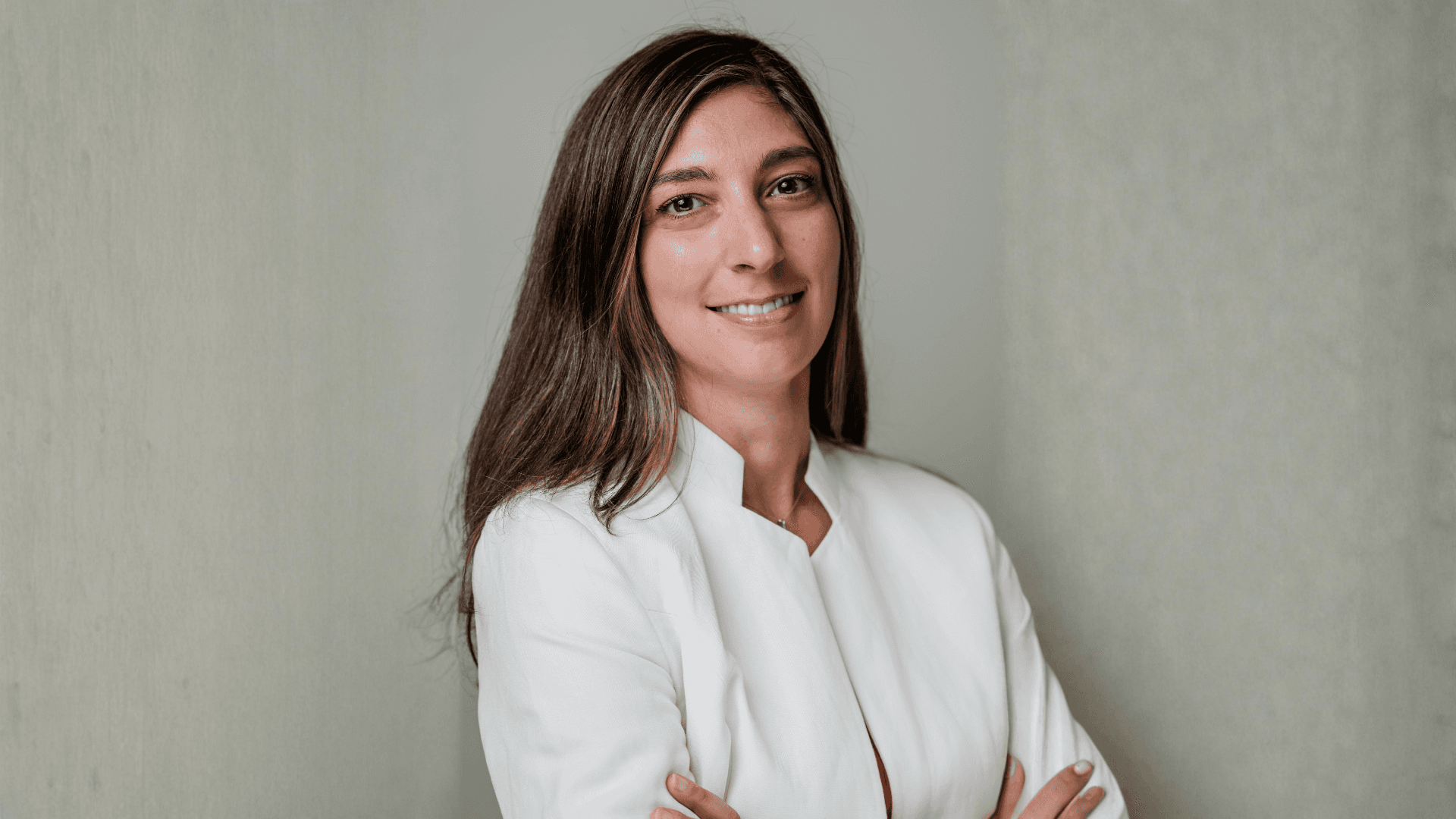

From Environmental Law to Immigration: An Unexpected Path
The documents arrived in a plastic bag, water-stained and crumpled from going through the wash four times. For many attorneys, this might signal frustration. For Nicole Micheroni, partner at Cameron Micheroni & Silvia in Boston, it represents exactly why she fell in love with immigration law.
"As soon as I started seeing it and helping with it, I really loved how personal it is compared to other areas of the law that I had seen before," Micheroni says. "Just getting to know the people you work with and the families and seeing what a difference it makes."
Micheroni's path to immigration law was anything but direct. After graduating from Temple School of Law in 2010, she jumped between environmental litigation and criminal work, searching for the right fit. Then came a lunch meeting with Matt Cameron, introduced by a mutual friend. She went back to his office afterward and, as she puts it, "never left."
That crash course in immigration has now spanned over a decade. What began as two attorneys in a small office in an East Boston shipyard has grown into a downtown practice with five attorneys and a thriving staff. The firm handles everything from asylum cases and removal defense to O-1 visas for world-class musicians.
Growing a Law Firm Without Traditional Advertising
Cameron Micheroni & Silvia has never run a traditional advertisement. Instead, Micheroni and her partner built their practice through something far more valuable: relationships.
"We really just focused on different relationships and networks with different nonprofits, city hall, different government representatives," Micheroni explains. "We volunteered at a lot of different libraries or know your rights trainings or quick things and we've made long term relationships."
The approach has proven remarkably effective. Referrals now flow in from union representatives, community organizations, and government officials who remember the attorneys who showed up at protests outside ICE offices, who appeared at detention centers when clients needed advocates, and who consistently prioritized community over billable hours.
"We get calls from all different people referring us cases," Micheroni says. "Representatives have this really special person that just walked in. They need somebody to look at this. So it's really grown that way."
The organic growth culminated recently in a new partnership: an attorney dedicated exclusively to nonprofit cases through a state grant program. Micheroni credits their long-standing community relationships for landing this opportunity, seeing it as validation of their approach to building a practice.
How Nicole Micheroni Balances Trauma Cases with Creative Work
The emotional weight of immigration law is something Micheroni navigates with intention. As the female partner in the office, cases involving domestic violence, sexual assault, and persecution often land on her desk. T visas, asylum claims, and protection orders demand not just legal expertise but emotional resilience.
Her solution is what she calls her "side project": O-1 and EB-1A visas for extraordinary ability artists.
"It's really been like a fun niche and really great I think mentally for me to have like an emotional break," she says. "Dive into like here's a really cool drummer or here's a really cool guitarist or violin player. I've had all sorts of fun things and it's just really nice to have those two things to balance me up mentally."
This dual focus allows Micheroni to sustain the demanding humanitarian work without burning out. One day she might be preparing an asylum claim for a family fleeing persecution; the next, she is building a case for why a jazz musician's contributions qualify as extraordinary achievement.
Navigating Immigration Law in an Era of Constant Change
If there is one constant in immigration law right now, it is change. Micheroni describes a landscape where taking a two-week vacation means returning to an entirely different regulatory environment.
"You go on vacation for a couple weeks and you come back and you're like, okay, everything's different now," she says. "So you just have to take a minute and reset and learn what's new."
The response demands thorough preparation on every front. Interview prep has become more extensive. Document packages are more comprehensive. And conversations with clients now include a frank assessment of risk.
"It's much more important for people to know their risks right now," Micheroni emphasizes. "Know your rights, know what your options are, but know what the risks are. Because there's a lot of things that were low to no risk before that are becoming risky."
She points to applications filed years ago now coming under fresh scrutiny. Details that clients barely remember, or perhaps never fully understood were included in their paperwork, are resurfacing as complications. The message to anyone beginning their immigration journey is clear.
"Be careful from the beginning is something that I wish everybody did and was more aware of," Micheroni advises. "Make sure the person you're talking to is a licensed attorney and not a notario or somebody else that does this on the side. It's really important that they specialize in immigration."
The Permanent Bar: One Policy Nicole Micheroni Would Change
When asked what single policy change would most improve the immigration system, Micheroni does not hesitate.
"The permanent bar. I really don't like that," she says. "There's so many people that are here and have been here for a long time and are married to U.S. citizens that come in and it just feels like a random stroke of bad luck."
She describes clients who crossed the border and reentered just days later, not understanding the decades-long consequences that single decision would carry. Now married to citizens, deeply rooted in their communities, they face an impossible choice: leave the country for ten years or remain in legal limbo indefinitely.
Beyond the permanent bar, Micheroni advocates for less frequent and less arbitrary detentions, along with stronger protections for asylum seekers. She sees regulatory efforts increasingly chipping away at asylum protections, a trend that concerns her deeply.
"I think they're really trying to legislate or regulate away asylum protections for everybody," she observes. "And that's becoming more and more of a concern as time passes."
AI in Immigration Law: Two Very Different Client Experiences
The conversation around artificial intelligence in legal practice often focuses on efficiency gains and drafting assistance. Micheroni sees a more nuanced reality playing out across her client base.
For her O-1 and EB-1A clients, many of whom are highly educated professionals, AI has been genuinely helpful. Letters of recommendation have grown stronger. Document organization has improved. These tech-savvy clients can leverage the tools effectively.
"I've seen letters of recommendation get a lot better or stronger because of it," Micheroni notes. "Organizing documents, those types of things. AI has been helpful."
But then there are her humanitarian clients. Some lack email addresses. A few cannot read. Their documents arrive crumpled in plastic bags, not neatly organized cloud folders.
"In those situations, AI has been less helpful because it's still so much hands on personal," she explains. "Let's get this done. Your papers are in a plastic bag and they've been through the wash four times and AI is just not going to help there."
Micheroni has also noticed AI appearing on the government side, particularly in the form of requests for evidence that seem oddly calibrated. Adjustment of status cases where clients can clearly self-petition still generate RFEs demanding a sponsor. O-1 cases receive questions that do not quite align with the actual criteria.
"Every single time we get an RFE for a sponsor and every single time we have to write back being like this is not necessary," she says. "It seems like that's something that is probably coming from AI."
Success Stories: When the Work Pays Off
Among the emotional toll and constant policy shifts, there are moments that remind Micheroni why she chose this field.
A few months ago, she won a particularly challenging asylum case for a woman with dual citizenship from El Salvador and Mexico. The complexity stemmed from proving persecution in both countries, along with targeting based on gender and sexuality. After a lengthy hearing, watching the relief wash over her client's face crystallized everything.
"It's always great when you win a case where you know that the odds are a little bit against you or you're really helping people and you could just see the relief in their face," Micheroni reflects.
More recently, a habeas petition secured a father's release from detention the day before his daughter's birthday. The little girl was turning six or seven. The case remains ongoing, but that small victory carried its own weight.
"Just seeing that small win was very nice," Micheroni says quietly.
The Future of Cameron Micheroni & Silvia
Looking ahead, Micheroni acknowledges the uncertainty that clouds every immigration practice right now. Predictions feel impossible when policy can shift multiple times in a single week. But the mission remains constant.
"We want to keep growing and helping people and really just helping as many people as we can in our community," she says.
The firm continues doing what has always worked: building relationships, showing up when it matters, and remembering that behind every case file is a human being whose life hangs in the balance.
"We really try to keep it focused on the humanity of our clients," Micheroni says, "because I think that gets really lost in the shuffle, especially these days."
For those considering a career in immigration law, or wondering how to build a practice without deep advertising budgets, Micheroni's trajectory offers a template. Invest in community. Find ways to sustain yourself emotionally. Stay current on changes without losing sight of the people you serve. And never forget that the crumpled documents in that plastic bag represent someone's entire future.
About Nicole Micheroni
Nicole Micheroni is a partner at Cameron Law Offices in Boston, Massachusetts. A graduate of Wellesley College and Temple School of Law, she is licensed to practice in Massachusetts and is a member of the American Immigration Lawyers Association. Her practice focuses on asylum, removal defense, family-based immigration, T visas, U visas, and extraordinary ability visas for artists and professionals.



Bob Webber
SEP 16, 2025
Charles Kuck
SEP 15, 2025

Christa Byker
SEP 11, 2025