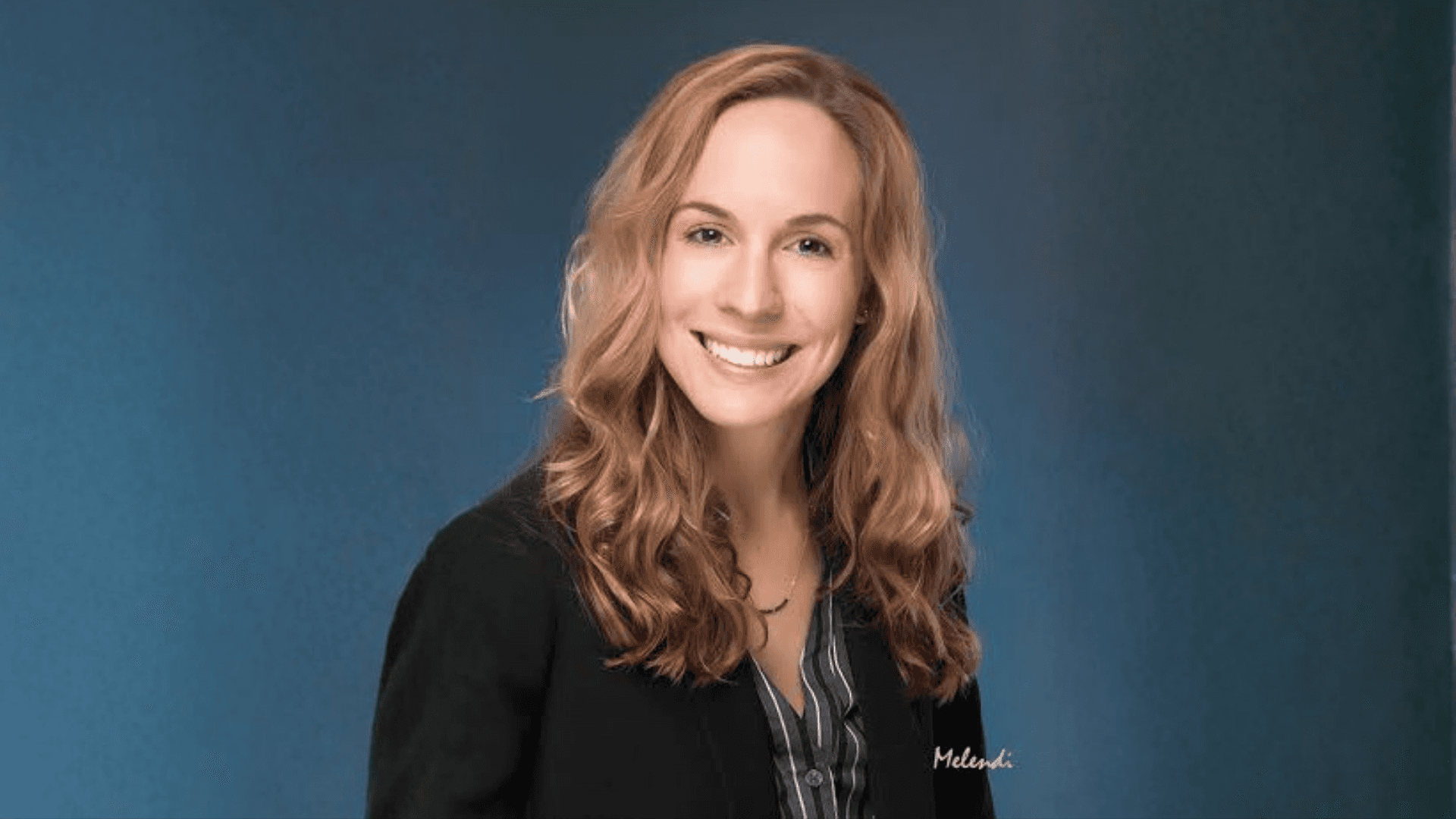

From Public Defender to Immigration Champion: How Chrissie Fernandez Found Her Calling in Maine
She had to travel from the immigration hub of South Florida to rural Maine to find her true purpose in immigration law. Now Chrissie Fernandez helps families reunite, protects survivors of violence, and guides asylum seekers toward safety, one case at a time.
Chrissie Fernandez, Immigration Attorney: A Journey Shaped by Heritage
The path to immigration law was always there, woven into the fabric of Chrissie Fernandez's life. Growing up in South Florida as the daughter of Cuban immigrants, she was surrounded by people navigating the complexities of building new lives in America. Yet when she graduated from law school in 2013, immigration wasn't where she landed.
For seven years, Fernandez served as an assistant public defender in the Florida Keys, fighting for clients in courtrooms far removed from the immigration system she would eventually embrace. The work was demanding and meaningful, but something was missing.
"I was always interested in it because my parents are immigrants," Fernandez explains. "I've been around immigrants my whole life growing up in South Florida." The interest had been there since law school, where she worked at a legal services clinic handling U visas. But in the remote Florida Keys, immigration attorney positions simply didn't exist.
The turning point came with an unexpected move to Portland, Maine. While searching for new opportunities in this quieter corner of New England, an immigration attorney position appeared. It felt like coming home to work she was always meant to do.
"It's funny because you would think living in Florida I'd be more likely to do immigration rather than Maine, but it was actually the other way around," she reflects with a laugh.
Inside the Practice: Chrissie Fernandez on Family-Based Immigration Work
Today, Fernandez works at a small private firm in Maine where she handles the deeply personal world of family-based immigration. Her practice spans naturalizations, marriage-based cases, and humanitarian visas including U visas and Special Immigrant Juvenile cases.
The breadth of her work reflects the diverse needs of immigrants in her community. While firm partner Marcus Jaynes handles employment-based cases, Fernandez has carved out her specialty in the cases that hit closest to the heart: families trying to stay together, survivors seeking protection, and young people searching for stability.
Asylum cases remain among the most challenging she takes on, though she approaches them selectively. "Those cases are taking 4 or 6 years to resolve," she notes. "It's really one of those things where it's hard to kind of take that on for such a long period of time."
The TPS Crisis: How Fernandez Helps Immigrants Navigate Uncertain Times
The landscape of immigration law has shifted dramatically in recent months. Fernandez is seeing a surge in consultations from individuals whose Temporary Protected Status is ending under policy changes affecting multiple countries.
"We're seeing a lot of consultations for individuals who have temporary protected status and their status is about to run out," she explains. Haiti's TPS is ending in February. Venezuela's has already been terminated. Syria and other countries face similar deadlines.
For these clients, Fernandez methodically works through their options. Have they been the victim of a qualifying crime in the United States, which could make them eligible for a U visa? Have they considered asylum, which some TPS holders never realized they might qualify for?
"They might not realize it, but if they've been the victim of certain crimes in the US while they've been living here, they can qualify for a U visa," she explains. The work requires careful attention to each person's unique circumstances, searching for pathways that might not be immediately obvious.
Chrissie Fernandez on Current Immigration Trends and Processing Delays
Beyond the TPS challenges, Fernandez is navigating an immigration system straining under unprecedented backlogs and new procedural requirements.
"We're seeing just very long processing times," she says. "It's just taking very long to get a decision on cases, even after interview." The delays extend beyond humanitarian cases to affect even standard marriage-based green card applications.
Perhaps more striking is a policy shift affecting interview requirements. Until about six months ago, straightforward marriage cases with strong evidence could be approved without an interview. No longer.
"Every single case goes to interview, even if you've been married for 30 years," Fernandez recounts. She recently attended an interview for a couple married three decades. "The officer didn't even really want to be interviewing them and told us that he had no choice, but he had to interview."
The new requirements add time, stress, and uncertainty to cases that would have been quickly approved just months earlier.
When Justice Finally Arrives: An Asylum Success Story
Among the hundreds of cases she has handled, certain moments stay with Fernandez. She recalls a female asylum seeker who had endured horrific experiences in her home country, leaving her with severe medical issues that followed her to America.
"She had waited years and years," Fernandez says quietly. "Her interview went very well, and she was able to receive an asylum grant."
What made the case particularly remarkable was the venue: the Boston Asylum Office granted her protection directly, sparing her from the additional trauma of testifying in immigration court. "Most of the times when you go to an asylum officer, you're going to get referred to an immigration court to have a judge make that determination," Fernandez explains.
A second case resonates just as deeply. A man persecuted for his political opinions had waited eight years, living in fear for himself and his family. He too received his grant at the Boston office.
"I think that's one of the things we forget," Fernandez reflects. "When someone applies for asylum, it's not just that they're applying for the benefit of staying in the US. They're also wanting to tell their story and they want to be heard."
For survivors of persecution, the opportunity to share their experience with someone who will truly listen carries profound weight. "That's an empowering thing for someone who's been through such traumatic experiences."
How Chrissie Fernandez Uses AI in Immigration Law Practice
Like many immigration attorneys, Fernandez has embraced artificial intelligence as a daily tool, though she approaches it with careful boundaries.
"I think it's really promising. I use it regularly, every day," she says. "You have to be careful because you cannot rely on it to do the work for you. You just need to use it to confirm what you already believe to be true."
She views AI as a supplement, not a substitute, for legal expertise. "It should supplement your practice, but it shouldn't replace your practice." She catches errors regularly enough to reinforce her caution, but finds value in the efficiency gains.
"Something that you might spend an hour on, you might only spend half an hour on now," she explains. Routine tasks like drafting client emails become streamlined. Research moves faster. But the final judgment always remains with the attorney.
Her perspective carries a note of reassurance for colleagues worried about technological displacement: "I don't think it's going to replace the jobs that attorneys have, at least in the immigration space."
Expert Advice from Chrissie Fernandez for Immigrants
For those navigating the immigration system, Fernandez offers straightforward guidance drawn from years of experience.
First and foremost: hire an immigration attorney. "One of the biggest things I see in my practice is when individuals try to file things on their own and they're not really certain of what they're filing, or they're not understanding the implications of what they're putting into their applications."
The temptation to handle matters independently is understandable. Forms seem approachable. AI tools promise assistance. But Fernandez has seen too many cases where DIY approaches created costly problems. "It ends up costing them more financially and costing them in terms of wasting their time and delaying the process if they try to do it on their own."
Her second piece of advice: document everything. "Keep records. That way you can refer back to things and you're not searching your records and files for events or paperwork." Organized documentation makes the entire process smoother when deadlines approach and evidence must be gathered.
Navigating Fear: Fernandez's Message of Informed Resilience
In times of heightened enforcement activity and policy uncertainty, fear can become overwhelming for immigrants. Fernandez counsels a balanced approach.
"Pay attention to the news, but remember that what makes it on TV are the extreme cases," she advises. "There's a fine line between being aware but also not becoming so paranoid."
She points to permanent residents who believe they can no longer travel internationally. While some high-profile cases have involved travelers being detained, "the vast majority of permanent residents are traveling internationally and not having issues returning."
The key is understanding that one person's experience may differ dramatically from another's based on the specific facts of their case. "Don't assume that what you're seeing on the news is going to happen to you because it may very well not."
Her counsel: consult an immigration attorney about your specific circumstances rather than generalizing from headlines.
The Road Ahead: Fernandez on Preparing for Immigration Challenges
Looking forward, Fernandez sees continued rapid change in the immigration landscape. Her advice for those facing any immigration process is simple: prepare thoroughly and expect surprises.
"Things are changing in the immigration world rapidly in the last seven, eight months," she observes. "Be prepared. Expect the unexpected."
Preparation means researching the specific location where your case will be heard. Practices vary between consulates in different countries. Field offices within the United States handle cases differently from one another.
"Make yourself familiar with the processes that are being implemented in that specific consulate or embassy," she urges. "Do your best to know what's going to happen before you walk into an interview."
From a Cuban American family in South Florida to a small immigration practice in Maine, Chrissie Fernandez has found her place in the long tradition of lawyers who help newcomers build lives in America. One family reunited, one survivor protected, one story heard at a time.




Bob Webber
SEP 16, 2025
Charles Kuck
SEP 15, 2025
Christa Byker
SEP 11, 2025